domingo, 28 de diciembre de 2025

El Tlaloc de Berlín

La visita al Forum Humboldt en Berlín, aunque breve, resultó decisiva. No porque buscara una confirmación académica ni una revelación histórica, sino porque necesitaba encontrar una imagen, una forma, un gesto que me permitiera pensar nuevamente a Tlaloc más allá de su definición habitual como “dios de la lluvia” en la cosmovisión mesoamericana. Lo que encontré no fue solo una pieza escultórica, sino un punto de inflexión conceptual.

El Museo Etnográfico de Berlín, integrado en el polémico Forum Humboldt, cuestionado tanto por el costo de su construcción como por el origen de muchas de las piezas que alberga, se presenta como un espacio ambivalente. Por un lado, funciona como archivo material del mundo; por otro, como recordatorio de los desplazamientos forzados de los objetos culturales. En el caso del continente americano, el museo ofrece una panorámica vasta que puede resultar tan fascinante como inquietante. Mi postura frente a este tipo de instituciones es clara: su mayor valor debería residir en despertar la curiosidad suficiente para que el visitante desee viajar a los territorios de origen y aprender allí, en contexto, aquello que el museo solo puede insinuar.


Decidí recorrer únicamente las salas dedicadas a América del Norte, que abarcan lo que hoy conocemos como Canadá, Estados Unidos y México. Allí me encontré con piezas cuya presencia en Europa resulta, todavía, difícil de asimilar: tótems monumentales tallados en troncos de más de diez metros de altura, máscaras, utensilios y artefactos que rara vez se observan con tal cercanía. A medida que avanzaba hacia las salas del sur, las formas comenzaron a resultarme cada vez más familiares. Esculturas y pinturas cargadas de símbolos, vasijas y máscaras con rasgos animales y humanos activaban una memoria visual y cultural que no dependía del texto curatorial, sino del reconocimiento.

Este tránsito culminó en la sala denominada “Mesoamérica”. Allí, el primer impacto fue la presencia de una quauhcoatl: una escultura de piedra volcánica que fusiona cabeza y plumaje de águila con un cuerpo serpentino. A su lado, una figura híbrida de rana y jaguar mostraba en el pecho el quincunce tallado, mientras que un símbolo del “cuatro movimiento”, extraordinariamente conservado, despertaba un deseo casi infantil de apropiación. Al observar una representación de Ehécatl, no pude evitar establecer un vínculo inmediato con las máscaras del norte del continente vistas momentos antes. Esa asociación reforzó una idea que ya venía formulando: más allá de sus diferencias, los pueblos originarios de América compartieron una relación profunda con el mundo natural, expresada a través de un lenguaje simbólico común basado en animales, plantas y fuerzas elementales.


Sin embargo, mi presencia en ese espacio tenía un objetivo específico. Sabía que en el Forum Humboldt se encontraba una representación particular de Tlaloc que había visto por primera vez en un documental. Aquella imagen me había llevado a buscar la pieza en distintos museos de México,incluidos el Museo Nacional de Antropología y el Templo Mayor, sin éxito. Fue finalmente una propaganda del museo etnográfico alemán la que me reveló que la escultura no se encontraba en México. La coincidencia con un viaje previamente planeado hizo inevitable el encuentro. A esta pieza he decidido llamarla, de manera provisional, el Tlaloc de Berlín.


La escultura, tallada en piedra volcánica, no supera los cincuenta centímetros de altura. Presenta una dualidad cromática, un gris predominante y un tono rojizo, cuyo origen, natural o pigmentado, no puedo confirmar. Está colocada en un punto discreto de la sala, visible solo para quien observa con detenimiento. Esa ubicación marginal parece dialogar con la naturaleza misma de la pieza: no se impone, no busca protagonismo, exige atención.


Tlaloc es, en términos generales, una de las deidades más reconocibles del panteón mesoamericano. Sus anteojeras y colmillos lo identifican de inmediato, y su asociación con la lluvia, el trueno y el agua ha sido ampliamente documentada. No obstante, esta representación en particular se resiste a una lectura cerrada. El ser representado ¿humano?, ¿deidad?, ¿entidad intermedia? se encuentra en cuclillas, una postura que sugiere contención, resistencia o control. A través de su cuerpo se articulan dos fuerzas opuestas, simbolizadas por una serpiente de fuego y otra de agua. No parece tratarse de un simple enfrentamiento, sino de una organización específica de energías aparentemente caóticas.


Desde mi comprensión de las deidades mesoamericanas o, más ampliamente, de los seres ecuménicos que estructuraban la cosmovisión del mundo estas figuras no encarnaban un poder absoluto, sino una capacidad de mediación. Eran organizadores del equilibrio: dominaban, transformaban, fusionaban o dividían las fuerzas naturales para hacer posible la continuidad del mundo. Ese ejercicio constante del poder implicaba desgaste. En ese sentido, la postura del Tlaloc de Berlín puede leerse como el cuerpo de quien sostiene una carga inmensa, de quien mantiene en tensión elementos que, de liberarse, resultarían devastadores.

Así, esta pequeña escultura concentra una densidad conceptual extraordinaria. No es solo una representación religiosa ni un objeto arqueológico desplazado; es una síntesis visual de una manera de entender el mundo donde el orden no es estático, sino el resultado de un esfuerzo permanente. El Tlaloc de Berlín no domina desde la altura: resiste desde el cuerpo. Y en esa resistencia, paradójicamente, radica su poder.


jueves, 8 de junio de 2023

Walking tour: introduction to the historic center

Since its creation in 1521, Mexico City has gone through significant physical changes and beneath it we can still find vestiges of the old Tenochtitlan founded in 1325. Its neighborhoods have maintained such a structure that as spectators we can see the organization of its people and the great offer of products and services that are marketed every day in the streets and markets of the historic center. In its architecture, structures from the 15th, 16th, 17th and 18th centuries stand out, likewise modernity mixes with classical styles in a subtle way.


This walking tour was created as an introduction to the downtown neighborhoods and its nearby surroundings. During the experience we will pass outside iconic buildings, markets, and squares. The objective of this tour is to introduce you to the most outstanding areas in a tour of stories and history, where in the end you will have learned how to explore the streets safely and confidently to continue learning on your own.


Meeting point: Cuauhtémoc Bust

Points of interest

Zócalo; Plaza de la Constitución

Twin City Goverment Buildings

National Palace

Departments Stores

Mexico city Museum

Monument to Mexicanity

Del Carmen street

National Museum of the cultures of the World

Autonomía Palace

San Idelfonso College

Templo Mayor

Inister of Education

Santo Domingo Square

Tacuba street

Metropolitan Cathedral

Manuel Tolsá square

House of the Tails

Fine Arts Palace

China Town

Central Alameda

Reforma Avenue

Horse Tower

National Museum of Revolution


Clic here to download PDF map with route and notes


Outdoor activity 

Capacity: 10px (max)

Duración: 1.5 hrs

Cost (MXN): Based on tip

Lenguage: english


Availability

Monday 8 am

Wednesday 8 am

Friday 8 am

Only with prior reservation


Book here now ↓↓

https://wa.me/qr/Y2RE44LKHBXAE1

lunes, 22 de mayo de 2023

Tour anthropology and history of La Paz

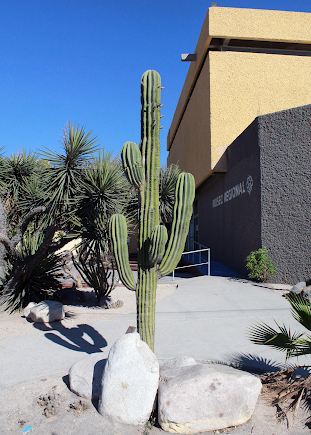
Founded in 1981, the Regional Museum of Anthropology and History of Baja California Sur opened its doors to house and disseminate the archaeological and historical legacy of the State. In 2018 it went through a restructuring and renewal of its museographic script that resulted in an optimal space for studying the ways of thinking and the cultures that inhabited the peninsula more than 10,000 years ago. Archaeological pieces are also exhibited that are evidence of the oldest human settlements in America, along with replicas and photographs of cave paintings. The rooms exhibit historical moments ranging from the first European contact, through the arrival of missionaries and pirates to the events of the incipient independent republic.

Led by a certified guide, our tour is an immersive experience that addresses anthropological, social and ethnographic aspects of the Californian peninsula and the city of La Paz that will allow us to understand the past and present of its inhabitants and its geographical environment. Alternating between history and stories, our guide offers a speech that invites us to reflect on the future of this growing city based on the messages and traces left by the ancestors who inhabited the inhospitable peninsular region.


Indoor activity 

Capacity: 6px (max)

Duración: 1.5 hrs

Cost (MXN): 1px 500; 2px 900; 3px 1200; 4px 1500; 5px 1800; 6px 2000.

Lenguage: english

Entrance fee included


Availability

Tuesday 12:30 p.m.

Thrusday 12:30 p.m.

Sunday. 10:00 a.m, 12:30 p.m. and 3:00 p.m.

Only with prior reservation


Book here now ↓↓

https://wa.me/qr/Y2RE44LKHBXAE1


Tips appreciated

martes, 23 de agosto de 2022

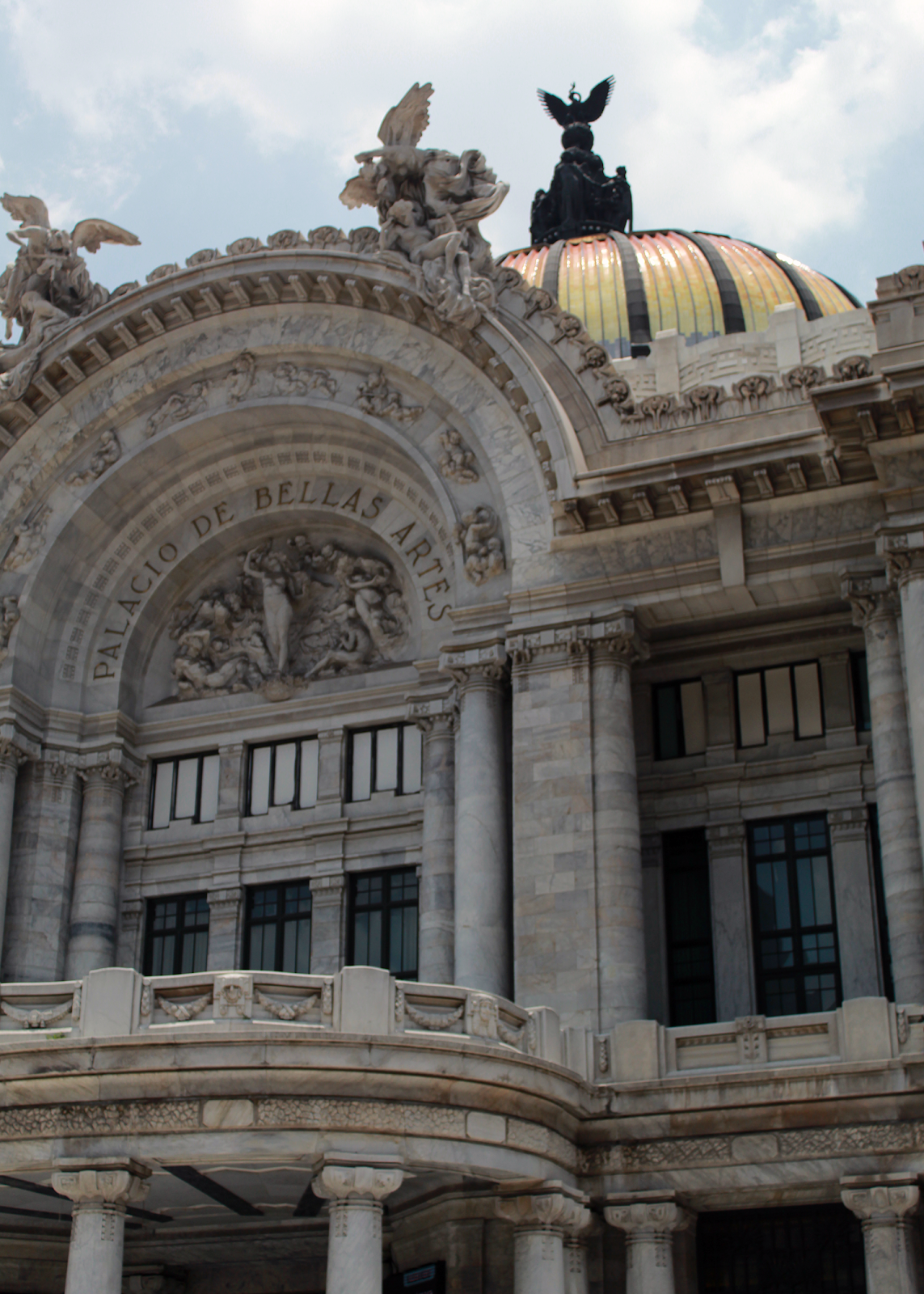
General Info on The Fine Arts Palace

Museum Hours

Tuesday to Sunday, from 10:00 a.m. to 6:00 p.m.


box office hours

Tuesday to Sunday, from 10:00 a.m. to 5:45 p.m.


General Admission:$80.00 MXN


Photography permit: $30.00 MXN (applicable to devices other than cell phone cameras)


Cash payment only.


Admission includes admission to the temporary exhibitions and the permanent collection of the Museo del Palacio de Bellas Artes available on the day of ticket purchase.


They do not make reservations or sell online. The purchase of your ticket is the day of your visit at the Museum box office.


Free entry:

National and foreign public: teachers and students with valid credentials, older adults with credentials, people with disabilities and children under 13 years of age.


On Sundays the entrance is free for national and foreign public.


As part of the celebrations of the centenary of the independence of Mexico (1810), the then president Porfirio Díaz, who was seeking to crown himself as the executive in whose administration the country had achieved a certain political and economic stability, decided to build a series of monuments to celebrate this remarkable national historical event.


The Palace of Fine Arts

At first the building was destined to be the new national theater, however due to the outbreak of the revolution against President Díaz its construction lasted for almost 30 years, the first stage of construction ran from 1904 to 1912 during this time it was only possible to build the foundations and steel structures that would later be covered with marble brought from Carrara, Italy. The Italian Adamo Boari was chosen by Díaz to make the designs and carry out the Art Nouveau project, who unfortunately would die in Italy without having seen the work of the National Theater finished.

Although the beginning of the Palace of Fine Arts is marked by an important period of Mexican history known as the Porfiriato, its culmination saw the light during the period known as Maximato that began in 1928, on this occasion it would be the Mexican architect Federico Marsical who would take the reins of the project and would introduce important changes such as the transition from Art Nouveau to Art Deco in the lobby and other interiors of the enclosure, the building would advance in its construction, however the insufficient budget would stop the works again.

The final stage of the Maximato brought to the country a great economic boost that was enough to complete the then nicknamed White Elephant of the city and it was at that moment when was decided that the venue would function as a national forum for the performing and plastic arts and would officially receive the name with which we all know it today “El Palacio de Bellas Artes” which was inaugurated on September 29, 1934

Currently, the Museum of the of the Fine Arts Palace houses and permanently exhibits 17 mural works by seven national artists (Rivera, Orozoco, Siqueiros, Jorge Gonzalez Camarena, Rufino Tamayo, Roberto Montengro and Manuel Rodríguez Lozano) made between 1928 and 1963, it also maintains an intense program of temporary exhibitions


Would you like to know the history of the 17 paintings? Read on ↓↓


Guide inside the museum of the Fine Arts Palace


Capacity: 5 people (Max)

Duration: 2 hours

English language

Cost: 20 USD pp

Includes entrance to the museum


Ernie our guide is passionate about the muralist movement and the palace is his favorite museum, therefore he is the one to guide you through its rooms, corridors and stairs


Send a message to imyourguidemx@gmail.com and book a tour with Ernie now!


martes, 26 de octubre de 2021

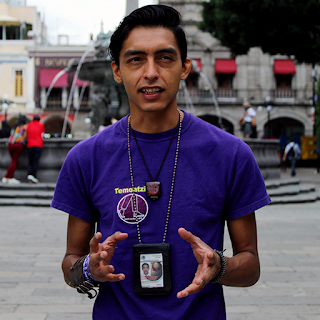
Meet your guide

Full name: Ernesto Temoatzin Osorio Guerrero

Nickname: Ernie

License number: 7463

Languages: Spanish and English

Experience: 10 years

Locations: CDMX and Puebla

Specialty: Historical walks and muralism


Ernie is one of our founding guides and is a tourism professional committed to cultural dissemination and sustainability. He has created historical tours in Puebla and Mexico City with the intention of providing tourists with the security and confidence to explore further on their own beyond of where the tour they might take can lead them, Ernie is a food lover, so all of his tour, even those with historic focus , can become a gastronomic experience if you desire. Each experience with Ernie is unique and memorable, don't miss the opportunity to book a tour with our incredible guide and start your adventure in Mexico now.


In his own words:


I consider myself an ambassador of Mexico and on each tour I provide as much information as possible. My hope is that visitors can enjoy the cities I guide them through as much as I do, and that they feel at ease with a professional tour guide. One of my favorite parts of being a guide is the connections I make with people who go on my tours. Occasionally, I met people that have turned into friends for life. I am also passionate about cinema and photography, but what excites me most is ensuring that your visit to Mexico is unforgettable. I am not the typical tour guide. I am happy to talk about various topics, including pre-hispanic, colonial and modern Mexico, in addition to virtues and problems of my country in order to make the tour an experience of cultural immersion.


I am your guide Ernie. I hope to meet you soon.

miércoles, 6 de octubre de 2021

Guía :Temoatzin Guerrero


Nombre completo: Ernesto Temoatzin Osorio Guerrero

Nickname: Ernie

Numero de licencia: 7463

Idiomas: Español e Ingles 

Experiencia: 10 años en turismo

Locaciones: CDMX y Puebla

Especialidad: Caminatas históricas, cantinas y muralismo

Ernie

Ernie es uno de nuestros guías fundadores y es un profesional del turismo comprometido con la difusión cultural y la sustentabilidad, ha creado tours históricos en Puebla y Ciudad México con la intención de brindarle a los turistas la seguridad y confianza para explorar por si mismos mas allá de lo que el tour que tomarán los puede llevar, en varias ocasiones ha declarado que por ser amante de la comida cualquier tour por más histórico que sea puede convertirse en una experiencia gastronómica si así lo desea el visitante, cada experiencia con Ernie es única y memorable, no dejes pasar la oportunidad de reservar un tour con nuestro increíble guía y comienza ya tu aventura en México.


En sus propias palabras:

Me considero un embajador de México y en cada tour brindo tanta información como sea posible, me gusta que los turistas disfruten tanto como yo, las ciudades por las que los guío y que sientan que van de la mano de un profesional. Confieso que una de mis partes favoritas de ser guía es que en ocasiones sucede que al finalizar el tour mis turistas y yo hemos formado un vinculo tal, que pareciera que somos amigos de toda la vida. Además de ser guía soy un apasionado del cine y la fotografía, pero lo mas importante es que siempre me voy asegurar de que tu paso por México sea inolvidable, no soy el clásico guía de turistas, conmigo también podrás conversar de diversos temas, pasando por el México prehispánico, colonial y moderno, además de virtudes y problemáticas de mi país y así hacer del tour una experiencia de inmersión cultural. 

Yo soy tu guía Ernie y te agradezco que te hayas tomado el tiempo de leerme


Mándame un WhatsApp ↓↓↓

https://wa.me/5212228764121

Puebla tour information

The four times heroic city Puebla of Zaragoza is a commercial center which preserves most of its colonial buildings, the known historic center is drawn from the crossing point of the avenue Reforma and 16 of september street, from this point into the south the Puebla cathedral and the palafoxian library are found, into the north is a small part of the commercial area and into the east and west the ancient portals of the city which houses restaurants and stores for all likness.

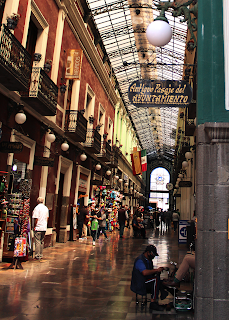
If we located in the center of the park or zocalo we can see the San Miguel arcangel fountain, from here into the north you can find the ancient city hall passage and the city hall itself which details can be admired from close or distance, near its gate almost in the corner a small mockup of the city can help you to orient yourself.
City hall passage

Rumors are truth, here you can find as many churches that you will lose count on them and every single one has something unique to offer, in the resultant architecture you can see the mix of the local handforce and techniques applied to the european designs, get ready to look up and don't miss your chance to pay a visit to the cathedral with its impressive herrerian style or the santo domingo temple with the baroque style at its best.


The local gastronomy is very rich and is the product of the integration of foreing ingredients into the local techniques of the now called mexican culinary tradition which main ingredients still corn and chile that you can taste in chalupas, molotes, quesadillas, moles, cemitas, enchiladas and different types of tacos for sale in stalls, stores, restaurants, terraces, inns, pulquerías and cantinas. In addition, downton offers you a couple of food markets that are outside the monuments area, towards the west is the market of flavors with a great gastronomic offer at fair prices and towards the east behind the convent of San Francisco is the market El Alto, a colorful market where you can even find mariachi music.


Finally if you decide explore downtown Puebla by yourself have in mind that into the west in the streets 6 Norte and Av. 4 Oriente the neighborhood of the artist, Parian artifacts market and the house of the Alfeñique museum of Talavera offer a small area where you can find all kind of artistic expressions and activities that will not let you forget your visit.


Would you like to know why they call Puebla of Zaragoza the 4 times heroic?

Keep reading↓↓↓


Walk in the downtown of Puebla


Outdoor activity

Capacity: 5 px (Max)

Duración: 3.5 horas

Lenguage: English

Costo: $25 USD.pp


Starting point

1.- Zócalo

2.- Puebla Cathedral

3.- House of Culture
4.- Amparo museum

5.- Alley of the toads

6.- Ovando bridge

7.- Analco neighborhood

8.- San Francisco neighborhood

9.- Alto market

10.- Neighborhhod of the artist

11.- Alfeñique house (talavera museum)

12.- Parían artfacts market

13.- Society of jesus temple

14.- Street of sweets

15.- Temple of Santo Domingo 


Book a tour here↓↓

Virtual experiences here↓↓


El Tlaloc de Berlín

La visita al Forum Humboldt en Berlín, aunque breve, resultó decisiva. No porque buscara una confirmación académica ni una revelación histór...